The Poet Laureate of Texas Songwriting
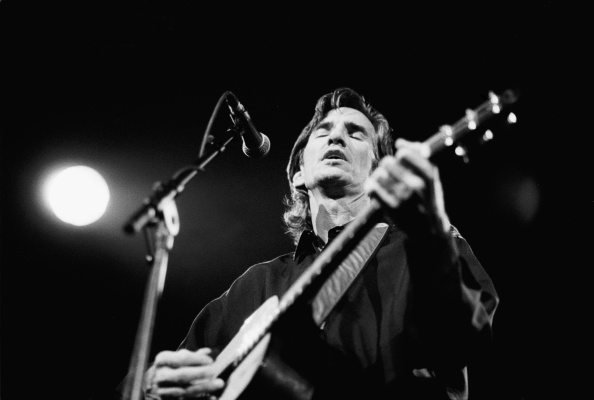
While electric blues bands and rowdy cosmic cowboys pumped volume into Austin’s emerging nightlife, Townes Van Zandt provided its beating, melancholy poetic heart. Though born in Fort Worth, Van Zandt’s haunting acoustic masterpieces, nomadic spirit, and deep integration into Austin’s listening-room culture made him an immortal figure in the narrative of the Live Music Capital of the World. He transformed songwriting from mere entertainment into high-altitude literature.
Origin Story: From Fort Worth Roots to the Texas Folk Circuit (1960s)
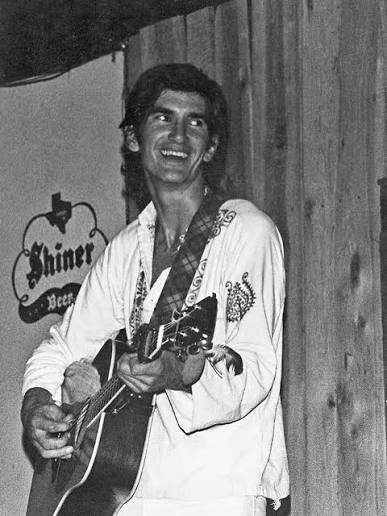
Born John Townes Van Zandt in 1944 to a prominent Texas family, a young Townes experienced a life-altering medical intervention involving insulin shock therapy in his youth, which erased parts of his early memory. Inspired by Elvis Presley on The Ed Sullivan Show and traditional bluesmen like Lightnin’ Hopkins, Van Zandt gravitated toward a rootless life of music.
- The Houston and Austin Apprenticeship: By the mid-1960s, he was cutting his teeth in Houston folk clubs like the Jester Lounge and Sand Mountain. Soon, he gravitated toward Austin and surrounding central Texas music havens, forming lifelong creative bonds with peers like Guy Clark and Jerry Jeff Walker.
- The Master Craftsman: Eschewing commercial radio formulas, Van Zandt penned intricate, narrative-driven songs about human frailty, depression, and open highways, establishing a standard of songwriting integrity that became the gold standard for Austin artists.
Sanctifying Austin’s Intimate Listening Rooms
While venues like the Armadillo World Headquarters catered to massive crowds, Van Zandt helped anchor Austin’s culture of quiet, respectful listening rooms—most notably the Cactus Cafe on the University of Texas campus, where he became a regular fixture and lovingly referred to the room as his “home club”.
- The Songwriter Code: Van Zandt proved that Austin was not just a place for loud party bands, but a sanctuary where lyricists and poets could command absolute silence from a packed room with just an acoustic guitar.
- Peerless Influence: Icons like Steve Earle (who famously quipped he would stand on Bob Dylan’s coffee table to proclaim Van Zandt the greatest writer), Lyle Lovett, and Nanci Griffith absorbed his mentorship, spreading the Austin gospel of songwriting across the globe.
Legacy, Archives, and Immortal Songs
Townes Van Zandt’s life and work are heavily documented across Texas music repositories, including the Center for Texas Music History and archival research collections at Texas universities containing hundreds of oral histories and interviews detailing his profound impact.
Though mainstream chart success largely arrived when other artists recorded his work—such as Willie Nelson and Merle Haggard taking “Pancho and Lefty” to Number 1 in 1983—Van Zandt’s own recordings remain legendary. He was inducted into the Austin City Limits Hall of Fame in 2015, cementing his status as a foundational pillar of Austin’s musical identity.
Trajectory & Discography
Selected Albums
| Year | Album Title | Label | Notes |
| 1968 | For the Sake of the Song | Poppy | Debut studio album featuring early versions of his classics |
| 1969 | Our Mother the Mountain | Poppy | Deeply poetic sophomore release |
| 1972 | High, Low and in Between | Poppy | Features anthems like “Highway Kind” |
| 1973 | The Late Great Townes Van Zandt | Poppy | Included the original recordings of “Pancho and Lefty” |
| 1977 | Live at the Old Quarter, Houston, Texas | Tomato | Widely considered one of the greatest live acoustic albums ever recorded |
| 1978 | Flyin’ Shoes | Tomato | Landmark roots/country release |
| 1994 | No Deeper Blue | Sugar Hill | His final studio album, recorded in Ireland |
Key Songs & Fan Favorites
- “Pancho and Lefty”
- “To Live’s to Fly”
- “Waitin’ Round to Die”
- “If I Needed You”
- “Tecumseh Valley”
- “Nothin'”
- “Lungs”
- “Rex’s Blues”
- “Flyin’ Shoes”
- “Where You Lead Me”
Stay tuned for our weekly Austin Music History Series
Austin Music History Series Ep #7


