The Duct Tape Messiah and Uncompromising Heart of Austin Folk
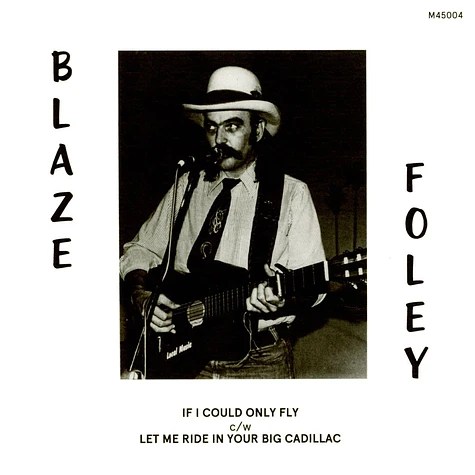
While flashy guitar virtuosos and polished cosmic country stars filled Austin’s major venues in the 1970s and ’80s, Blaze Foley (born Michael David Fuller) gave the Live Music Capital of the World its raw, unfiltered conscience. A vagabond poet and fingerpicking master, Foley lived a life of total devotion to his craft, trading commercial success for artistic purity and leaving behind a musical legacy that echoes through every Austin song circle.
Origin Story: From Gospel Harmony to the Austin Outhouse (1970s–1980s)
Born in Arkansas and raised singing gospel music with his family in Texas, Foley’s early life was marked by childhood polio, which left him with a lifelong limp. By the late 1970s, after living in a treehouse in Georgia and soaking up traditional folk, he migrated to Austin.
- The Duct Tape Messiah: Earning his legendary moniker from his habit of repairing his clothes, boots, and guitar cases with silver duct tape, Foley famously wore full suits crafted out of duct tape as a satirical commentary on high fashion and music industry vanity.
- The Austin Outhouse Residency: Rejecting conventional day jobs, Foley bounced between couch-surfing and living on the street, performing at local haunts like the Hole in the Wall and the Austin Outhouse. His performances were equal parts humor, vulnerability, and sharp political protest.
Defining Austin’s Outsider Songwriting Tradition
Blaze Foley’s tragic, nomadic life became the gold standard for lyrical honesty across Texas:
- Uncompromising Integrity: Foley’s songs—marked by his resonant baritone and delicate, steady fingerpicking—captured the heartbreak of marginalized lives and tender beauty in ordinary moments.
- Collaborative Kinship: He formed a legendary bond with Townes Van Zandt and guitarist Gurf Morlix, trading songs and championing an uncompromising, anti-establishment approach to Texas songwriting.
- Songs That Outlived the Man: Before his untimely death in 1989 at age 39, Foley wrote standard-setting tracks like “If I Could Only Fly” and “Clay Pigeons,” which later achieved international acclaim when recorded by Willie Nelson, Merle Haggard, Lyle Lovett, and John Prine.
Archives, History, and Archival Legacy
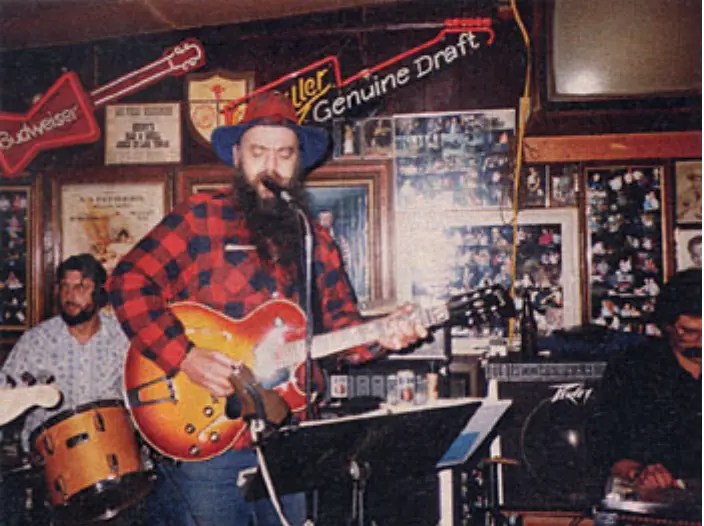
Blaze Foley’s life and lost recordings are meticulously documented across regional historical collections, including the Texas State Historical Association (Handbook of Texas) and the Austin History Center. Archival efforts by independent preservationists and labels like Lost Art Records helped recover long-lost tapes—often salvaged from lost luggage, police seizures, or car trunks—preserving his legendary 1988 live performances at the Austin Outhouse.
Inducted into the Austin Music Memorial in 2009, Foley inspired Lucinda Williams’ famous tribute song “Drunken Angel” and was the subject of Ethan Hawke’s acclaimed 2018 biographical film Blaze.
Trajectory & Discography
Selected Albums
| Year | Album Title | Label | Notes |
|---|---|---|---|
| 1999 | Live at the Austin Outhouse | Lost Art Records | Definitive live recording captured months before his passing |
| 2004 | Oval Room | Lost Art Records | Collection of political and protest songs recorded in Austin |
| 2005 | Cold, Cold World | Lost Art Records | Crucial studio and home recordings from 1979 to 1980 |
| 2008 | Duct Tape Messiah (Soundtrack) | Lost Art Records | Audio companion to the documentary on his life and poetry |
| 2011 | The Dawg Years | Lost Art Records | Early archival tracks from his formative Georgia and Texas period |
Key Songs & Fan Favorites
- “Clay Pigeons”
- “If I Could Only Fly”
- “Oval Room”
- “Cold, Cold World”
- “Small Town Hero”
- “Picture Cards”
- “Rainbows and Ridges”
- “Election Day”
Stay tuned for our weekly Austin Music History Series
Austin Music History Series Ep #14


