The Blues Powerhouse That Electrified Austin
While many architects built Austin’s “Live Music Capital” title brick by cosmic brick, Stevie Ray Vaughan electrified the entire structure. His fierce, virtuoso guitar playing and soulful blues-rock sound captured the world’s attention and firmly established Austin as a global epicenter for legitimate, raw live music performance.
Origin Story: The Dallas Kid Who Conquered Austin (1970s)
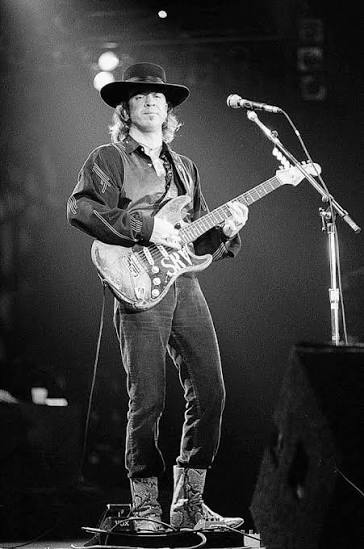
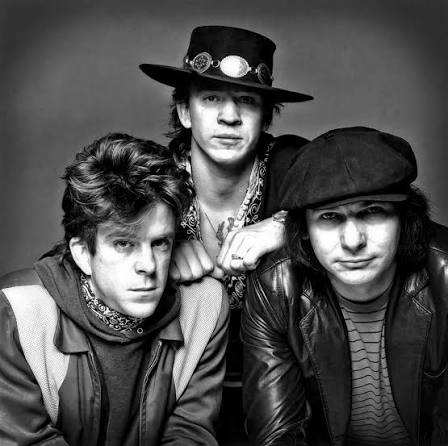
Stevie Ray Vaughan was born in Dallas in 1954, but his musical journey truly ignited when he moved to Austin in the mid-1970s. Following in the footsteps of his older brother, Jimmie, Stevie immersed himself in the fertile Austin blues scene. After playing in several bands, including the Nightcrawlers and Paul Ray & the Cobras, he formed Double Trouble in 1978 with drummer Chris Layton and bassist Tommy Shannon.
This tight-knit trio honed their explosive, high-energy sound in local clubs like Antone’s and the Continental Club, slowly building a fanatical following that could barely contain the noise.
Cultural Impact & Unifying Force
By the late 1970s, Austin’s “cosmic cowboy” era was beginning to fade, and a new, raw, post-punk energy was emerging. Stevie Ray Vaughan became the ultimate bridging figure. He was a master bluesman, respected by traditionalists, but his ferocious live intensity and rock star presence appealed to younger rock fans.
His legendary performance at the 1982 Montreux Jazz Festival—where he was initially booed by jazz purists but ultimately blew the roof off the venue—is a defining moment in music history. This performance caught the attention of David Bowie and Jackson Browne, leading to mainstream success and a resurgence of the blues in the 1980s. When Stevie Ray Vaughan played, he didn’t just unify Austin; he put the entire world on notice.
Legacy & Archival Preservation
Stevie Ray Vaughan’s influence is immeasurable. The Texas Music Museum in Austin preserves the band’s contribution, featuring one of his ‘Number One’ Stratocasters, numerous posters, stage outfits, and rare concert footage. The museum serves as a critical resource for understanding the explosive power and technical mastery of his work.
Tragically, Stevie Ray Vaughan died in a helicopter crash in 1990. However, his statue on the shores of Lady Bird Lake in Austin stands as a perpetual testament to his impact. His music continues to inspire new generations of guitarists and confirms Austin’s commitment to authentic, powerful live music.
Trajectory & Discography
Selected Albums
| Year | Album Title | Label | Notes |
| 1983 | Texas Flood | Epic | Explosive debut, standard-bearer for 80s blues |
| 1984 | Couldn’t Stand the Weather | Epic | Confirmed genius; contains “Voodoo Child (Slight Return)” cover |
| 1985 | Soul to Soul | Epic | Added keyboardist Reese Wynans; deeper soul and jazz influence |
| 1986 | Live Alive | Epic | Double live album showcasing their ferocious stage energy |
| 1989 | In Step | Epic | Grammy-winning masterpiece; sober and revitalized |
| 1990 | Family Style | Epic | Collaborative album with brother Jimmie Vaughan |
| 1991 | The Sky Is Crying | Epic | Posthumous compilation of studio outtakes |
Key Songs & Fan Favorites
- “Pride and Joy”
- “Texas Flood”
- “Love Struck Baby”
- “Cold Shot”
- “Couldn’t Stand the Weather”
- “Scuttle Buttin'”
- “Life Without You”
- “Crossfire”
- “Tightrope”
- “Wall of Denial”
- “Riviera Paradise”
- “Mary Had a Little Lamb”
The Blues Powerhouse That Electrified Austin
While many architects built Austin’s “Live Music Capital” title brick by cosmic brick, Stevie Ray Vaughan electrified the entire structure. His fierce, virtuoso guitar playing and soulful blues-rock sound captured the world’s attention and firmly established Austin as a global epicenter for legitimate, raw live music performance.
Origin Story: The Dallas Kid Who Conquered Austin (1970s)
Stevie Ray Vaughan was born in Dallas in 1954, but his musical journey truly ignited when he moved to Austin in the mid-1970s. Following in the footsteps of his older brother, Jimmie, Stevie immersed himself in the fertile Austin blues scene. After playing in several bands, including the Nightcrawlers and Paul Ray & the Cobras, he formed Double Trouble in 1978 with drummer Chris Layton and bassist Tommy Shannon.
This tight-knit trio honed their explosive, high-energy sound in local clubs like Antone’s and the Continental Club, slowly building a fanatical following that could barely contain the noise.
Cultural Impact & Unifying Force
By the late 1970s, Austin’s “cosmic cowboy” era was beginning to fade, and a new, raw, post-punk energy was emerging. Stevie Ray Vaughan became the ultimate bridging figure. He was a master bluesman, respected by traditionalists, but his ferocious live intensity and rock star presence appealed to younger rock fans.
His legendary performance at the 1982 Montreux Jazz Festival—where he was initially booed by jazz purists but ultimately blew the roof off the venue—is a defining moment in music history. This performance caught the attention of David Bowie and Jackson Browne, leading to mainstream success and a resurgence of the blues in the 1980s. When Stevie Ray Vaughan played, he didn’t just unify Austin; he put the entire world on notice.
Legacy & Archival Preservation
Stevie Ray Vaughan’s influence is immeasurable. The Texas Music Museum in Austin preserves the band’s contribution, featuring one of his ‘Number One’ Stratocasters, numerous posters, stage outfits, and rare concert footage. The museum serves as a critical resource for understanding the explosive power and technical mastery of his work.
Tragically, Stevie Ray Vaughan died in a helicopter crash in 1990. However, his statue on the shores of Lady Bird Lake in Austin stands as a perpetual testament to his impact. His music continues to inspire new generations of guitarists and confirms Austin’s commitment to authentic, powerful live music.
Trajectory & Discography
Selected Albums
| Year | Album Title | Label | Notes |
| 1983 | Texas Flood | Epic | Explosive debut, standard-bearer for 80s blues |
| 1984 | Couldn’t Stand the Weather | Epic | Confirmed genius; contains “Voodoo Child (Slight Return)” cover |
| 1985 | Soul to Soul | Epic | Added keyboardist Reese Wynans; deeper soul and jazz influence |
| 1986 | Live Alive | Epic | Double live album showcasing their ferocious stage energy |
| 1989 | In Step | Epic | Grammy-winning masterpiece; sober and revitalized |
| 1990 | Family Style | Epic | Collaborative album with brother Jimmie Vaughan |
| 1991 | The Sky Is Crying | Epic | Posthumous compilation of studio outtakes |
Key Songs & Fan Favorites
- “Pride and Joy”
- “Texas Flood”
- “Love Struck Baby”
- “Cold Shot”
- “Couldn’t Stand the Weather”
- “Scuttle Buttin'”
- “Life Without You”
- “Crossfire”
- “Tightrope”
- “Wall of Denial”
- “Riviera Paradise”
- “Mary Had a Little Lamb”
Stay tuned for our weekly Austin Music History Series
Austin Music History Series Ep #4


