The Queen of Gulf Coast Piano Blues and Austin Soul
While country visionaries and electrifying guitar slingers often dominate the Austin music narrative, Marcia Ball brought a rolling, swampy keyboard groove that anchored the city’s blues and soul foundations for over five decades. Equal parts Louisiana boogie-woogie pianist and Texas blues belter, Ball provided a vibrant, danceable counterweight to Austin’s rock scene, making venues like Antone’s and the Armadillo World Headquarters feel like a Saturday night in New Orleans.
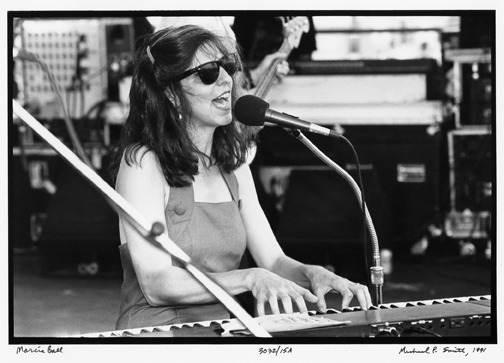
Origin Story: From the Sabine River to Sixth Street (1970)
Born in Orange, Texas, in 1949 and raised across the state line in Vinton, Louisiana, Marcia Ball grew up immersed in the rich musical melting pot of the Gulf Coast. She began playing piano at age five, absorbing the sounds of Professor Longhair, Fats Domino, and Irma Thomas from the radio.
- The Austin Migration: In 1970, while en route to San Francisco in a breakdown-prone station wagon, Ball made a pit stop in Austin. Enchanted by the city’s budding counterculture and laid-back musical climate, she decided to stay.
- Freda and the Firedrakes: In 1972, she formed the progressive country band Freda and the Firedrakes. The group quickly became a cornerstone of the early Austin scene, playing alongside the Sir Douglas Quintet and Willie Nelson, and helping establish the template for progressive Texas roots music.
- Return to the Blues: By the late 1970s, Ball returned to her primary passion: piano-driven Gulf Coast R&B and soul-blues, stepping into her role as one of the most dominant bandleaders in Central Texas.

Defining Austin’s Blues Identity
When Clifford Antone opened his legendary home of the blues on Sixth Street in 1975, Marcia Ball was one of the local artists who gave the room its heartbeat.
- The Antone’s Anchor: Ball shared the stage with iconic blues masters like Muddy Waters, B.B. King, and Koko Taylor, earning their respect while proving that an Austin act could match the energy of Chicago and Memphis touring legends.
- Cross-Genre Unity: Ball’s band served as a vital bridge between Austin’s blues scene and its roots-rock crowd, proving that barrelhouse piano had a permanent home in the Live Music Capital of the World.
Trajectory, Archives, and Honors
Marcia Ball’s career is thoroughly documented across state repositories, including the Texas Music Museum and the Austin History Center, which preserve posters, live recordings, and oral histories highlighting her role as a pioneering female bandleader in Texas.
She was inducted into the Austin Music Hall of Fame in 1990 and named Official Texas State Musician for 2018 by the Texas Legislature. With five Grammy nominations and ten Blues Music Awards under her belt, her legacy remains a cornerstone of Central Texas music history.

Trajectory & Discography
Selected Albums
| Year | Album Title | Label | Notes |
| 1980 | Subway Soul | Solid Smoke | Essential early solo R&B output |
| 1983 | Soul Shake | Rounder | Landmark release that established her national solo profile |
| 1985 | Hot Tamale Baby | Rounder | Classic Gulf Coast piano boogie album |
| 1990 | Dreams Come True | Antone’s | Acclaimed collaboration album with Lou Ann Barton and Angela Strehli |
| 1998 | Sing It! | Rounder | Grammy-nominated trio project with Irma Thomas and Tracy Nelson |
| 2003 | So Many Rivers | Alligator | Critically praised studio effort featuring fan-favorite balladry |
| 2018 | Shine Bright | Alligator | Vibrant, politically conscious late-career release |
Key Songs & Fan Favorites
- “Red Hot”
- “La-Ti-Da”
- “Louella”
- “Sparkle Paradise”
- “Roadside Attractions”
- “Sing It” (with Irma Thomas & Tracy Nelson)
- “That’s Enough of That Stuff”
- “Shine Bright”
- “Tattooed Lady and the Alligator Man”
Stay tuned for our weekly Austin Music History Series
Austin Music History Series Ep #8


